
Anxiety and depression affect millions of people, yet many don’t realize that natural help for anxiety and depression exists alongside professional treatment. The good news is that you have options-from lifestyle changes to therapy-that can genuinely improve how you feel.
At Alice’s Psychiatry and Wellness, we believe the most effective path forward combines what works naturally with expert care. Whether you’re in Lilburn, GA, Atlanta, GA, or anywhere else, this guide will show you practical strategies to reclaim your wellbeing.
Understanding Anxiety and Depression
What Causes Anxiety and Depression
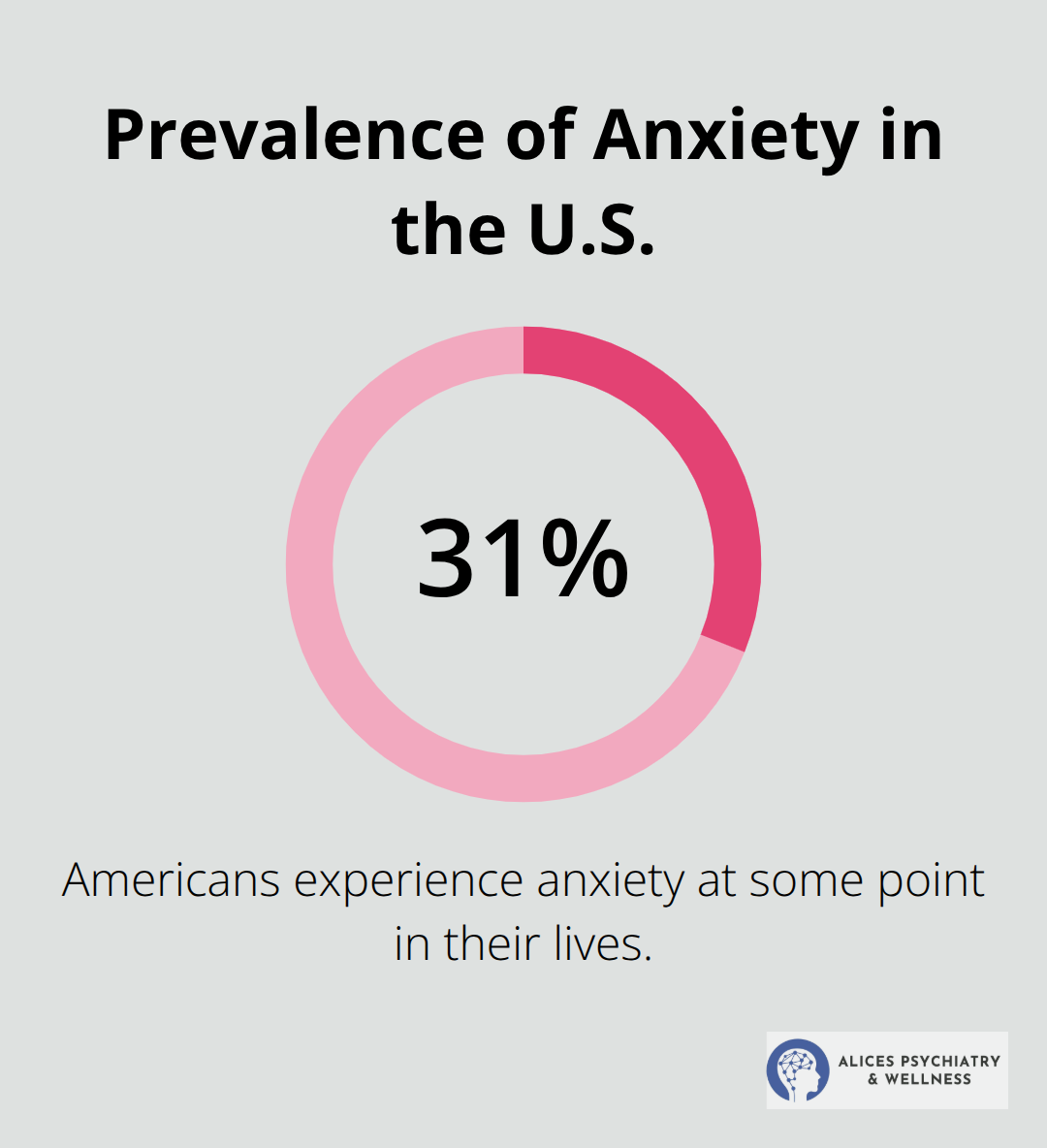
Anxiety and depression rarely appear out of nowhere. About 31% of Americans experience anxiety at some point in their lives, and roughly 1 in 6 adults will experience depression at some point. These conditions stem from a combination of biological, environmental, and lifestyle factors that often work together.
Your brain chemistry plays a significant role-imbalances in neurotransmitters like serotonin and dopamine directly influence your mood and stress response. Genetics matter too; if your parents or siblings experienced anxiety or depression, your risk increases. But biology isn’t destiny.
Life circumstances count heavily. Job loss, relationship stress, financial pressure, major health changes, or accumulated daily stress can trigger or worsen both conditions. Poor sleep, lack of physical activity, and nutritional gaps amplify these effects. The reality is that anxiety and depression are treatable, and understanding what’s driving yours is the first step toward genuine relief.
How These Conditions Show Up in Real Life
Anxiety doesn’t just mean feeling worried. It shows up as racing thoughts, physical tension, sleep disruption, difficulty concentrating at work, avoiding social situations, or constant muscle tightness. Depression goes beyond sadness; it manifests as persistent low energy, loss of interest in activities you once enjoyed, changes in appetite or sleep, difficulty making decisions, and sometimes physical pain without a clear cause.
These aren’t character flaws or weakness-they’re legitimate mental health conditions with measurable impacts. Many people delay seeking help because they don’t recognize these symptoms for what they are, or they assume they should just handle it alone. That’s a mistake.
When Professional Support Becomes Essential
When anxiety or depression interferes with your work performance, relationships, parenting, or daily functioning, professional support becomes necessary, not optional. Waiting typically makes things harder, not easier. A mental health professional can identify what’s actually happening, rule out medical causes (like thyroid problems or vitamin deficiencies), and create a treatment plan tailored to your situation.
Whether you live in Lilburn, GA, Atlanta, GA, or elsewhere, reaching out to a qualified provider marks the turning point. The next section explores natural strategies that work alongside professional care to accelerate your recovery.
What Actually Works for Anxiety and Depression
Exercise Reduces Anxiety and Depression Fast
Exercise is not optional if you want to manage anxiety and depression effectively. Exercise reduces anxiety and depression by boosting feel-good endorphins and distracting you from daily worries. You need at least 30 minutes of exercise on 3–5 days per week to see measurable results. Yoga stands out as particularly effective because controlled breathing and focused attention calm your nervous system during the practice itself, not just afterward.
If you hate running or the gym, that’s fine-walking counts, swimming counts, dancing counts. The key is consistency, not intensity. Start with what you’ll actually do, then build from there.
Sleep Quality Changes Everything
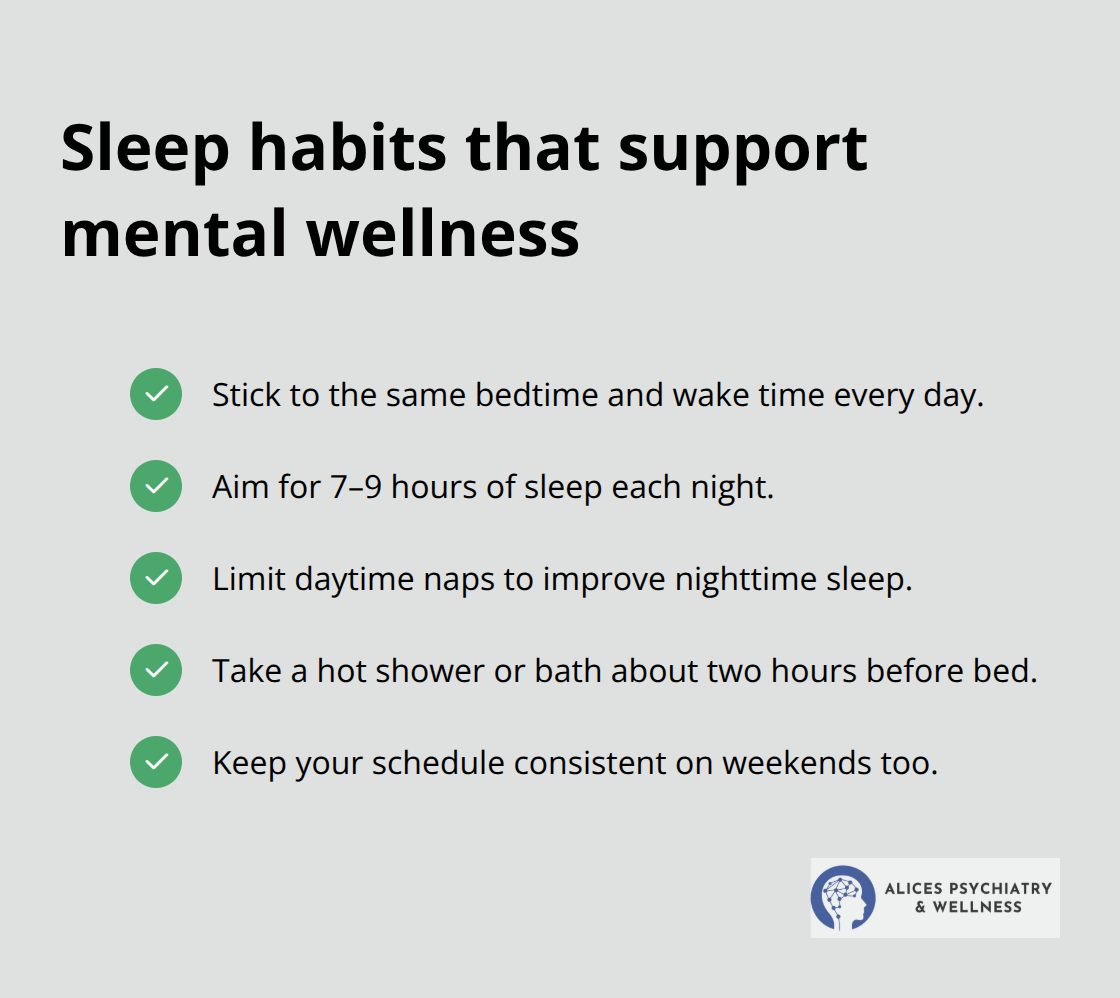
Sleep quality matters more than you think for anxiety and depression. Try 7–9 hours per night, including weekends, and maintain a consistent sleep schedule with the same bedtime and wake time every day. Minimize daytime naps, which sounds counterintuitive but actually improves nighttime sleep. A hot shower or bath about two hours before bed triggers melatonin release through a drop in your core body temperature, making it easier to fall asleep naturally.
These small changes compound quickly-better sleep reduces anxiety symptoms within days, not weeks.
Nutrition Directly Influences Your Mood
Nutrition directly influences your mood and anxiety levels. Eat balanced meals throughout the day that include protein, complex carbohydrates, fruits, and vegetables to support both mood and energy. Complex carbohydrates support serotonin production, and protein keeps you full while stabilizing blood sugar, which prevents the mood crashes that fuel anxiety.
Limit or avoid alcohol entirely if you’re managing anxiety or depression, since alcohol causes next-day anxiety and disrupts sleep. Mixing alcohol with antidepressants worsens symptoms significantly. Reduce caffeine intake as well, since caffeine contributes to anxiety symptoms and sleep problems. Research also shows that supplements like B6 can support your nutritional approach to managing these conditions.
Mindfulness Meditation Provides Real Relief
Mindfulness meditation offers real, measurable benefits. Mindfulness meditation can reduce anxiety or depression simply by sitting down and meditating. An eight-week mindfulness course yielded 10–20% improvement in depressive symptoms and 5–10% improvement in anxiety symptoms.
The strongest evidence comes from mindfulness meditation that emphasizes present-moment awareness and returns attention calmly when it wanders. A key mechanism is reducing rumination by pausing and reacting less to bothersome thoughts, which eases depressive symptoms over time. The best way to start is with instruction from an experienced teacher who can guide you in observing thoughts and emotions without judgment. Look for mindfulness classes online or through local hospitals and healthcare providers in your area.
Combining These Strategies With Professional Care
These natural strategies work best when combined with professional treatment, not instead of it. Therapy and medication management accelerate your progress beyond what lifestyle changes alone can accomplish.
Professional Treatment Accelerates Your Path to Relief
Why Natural Strategies Need Professional Support
Natural approaches like exercise, sleep, nutrition, and meditation create a foundation for mental wellness, but they rarely work fast enough on their own when anxiety or depression is significant. Very high or persistent anxiety often requires medical treatment in addition to therapy for meaningful improvement. This is where professional support becomes your accelerator-it transforms what you’re already doing into a coordinated, science-backed strategy that produces faster results.
Therapy Addresses the Patterns That Fuel Your Symptoms
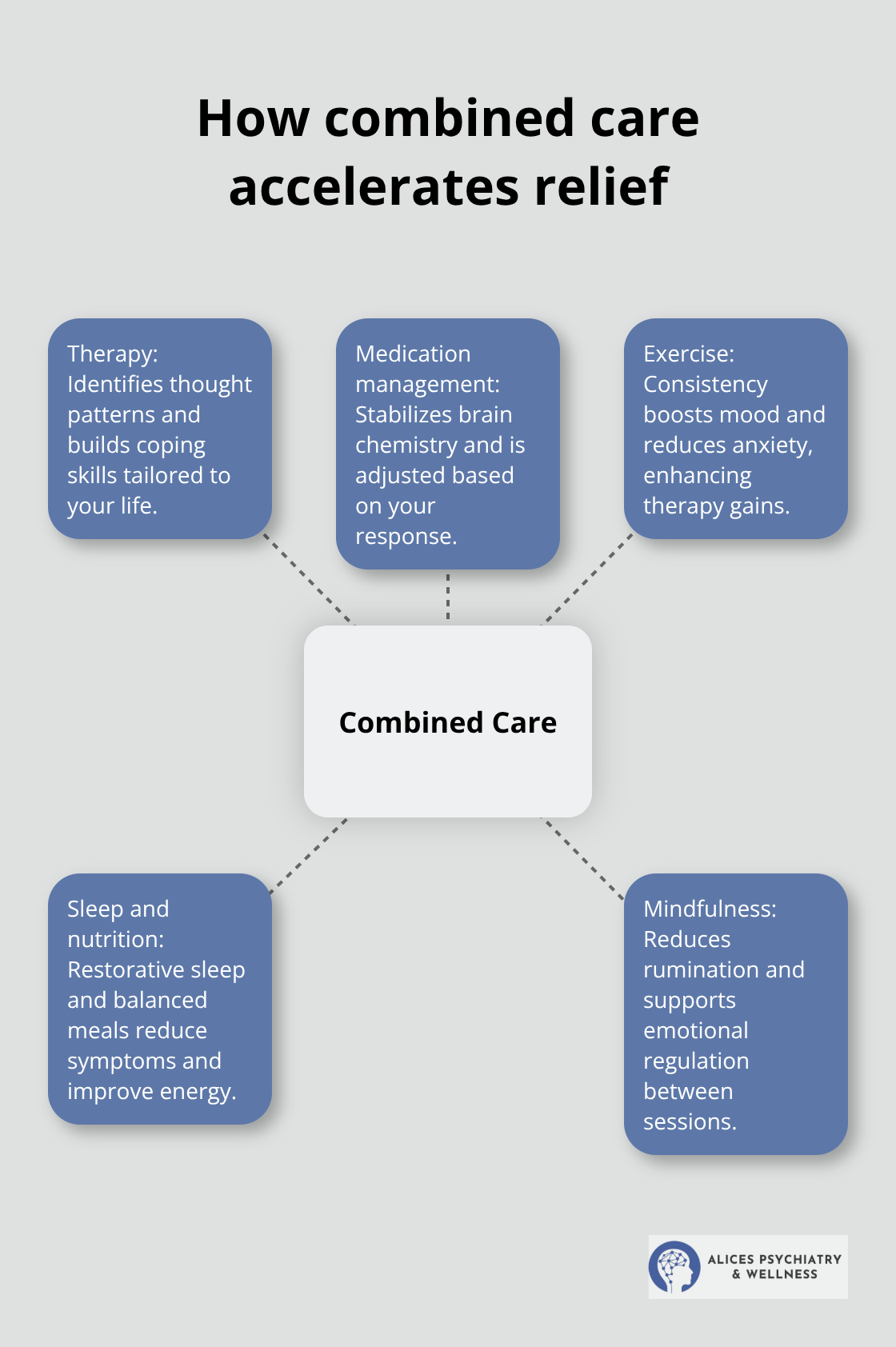
Cognitive behavioral therapy, or CBT, is a proven form of talk therapy that often reduces anxiety symptoms and is commonly recommended alongside other treatments. A therapist helps you identify thought patterns that fuel anxiety, teaches you practical skills to interrupt them, and guides you through the specific challenges in your life that medication alone cannot address. Research from Johns Hopkins reviewed 47 meditation studies involving 3,515 participants and found mindfulness meditation can provide as much relief for some depression symptoms as antidepressants-yet therapy adds something meditation cannot: personalized intervention for your unique situation.
Medication Management Removes the Guesswork
Medication management isn’t about taking a pill and hoping for results; it’s about working with a provider who monitors your response, adjusts your treatment as needed, and coordinates your care with any therapy you’re receiving. Pharmacogenetic testing identifies how your genes affect your response to different medications, which means your provider can find the right medication at the right dose faster, with fewer side effects and less trial-and-error. This scientific approach eliminates guesswork and accelerates your path to feeling better.
How Therapy and Medication Work Together
When therapy and medication work together, the results compound. You gain emotional regulation from therapy while medication stabilizes your brain chemistry, allowing the natural strategies you’re already using-your exercise routine, improved sleep, better nutrition-to work more effectively. Each element strengthens the others, creating momentum toward genuine relief.
Building Your Personalized Wellness Plan
A personalized wellness plan integrates all these elements into a coherent strategy specific to your life. This plan accounts for your work schedule, family responsibilities, financial situation, and personal preferences. It identifies which natural strategies matter most for you, what medication makes sense based on your genetics and medical history, and what therapy goals will have the biggest impact on your daily functioning. Your provider should explain why each recommendation exists and ask what you’re willing to commit to, not impose a one-size-fits-all approach. The goal is sustainable progress, not perfection. Whether you’re in Lilburn, GA, Atlanta, GA, or anywhere else, the combination of professional treatment and natural strategies gives you the best chance of genuine, lasting relief from anxiety and depression.
Final Thoughts
You now understand that anxiety and depression respond to a combination of natural strategies and professional care. Exercise, sleep, nutrition, and mindfulness create a solid foundation for mental wellness, but they work fastest when paired with therapy and medication management tailored to your specific situation. The reality is straightforward: natural help for anxiety and depression exists, and it works most effectively when you stop trying to manage these conditions alone.
Professional support accelerates your progress by identifying what actually drives your symptoms, ruling out medical causes, and creating a coordinated treatment plan that addresses both your brain chemistry and the patterns fueling your distress. Your first step matters more than having the perfect plan. Whether you live in Lilburn, GA, Atlanta, GA, or anywhere else, reaching out to a mental health provider marks the moment when relief becomes possible.
At Alice’s Psychiatry and Wellness, we combine medication management, therapy, and personalized care to guide your treatment based on your unique needs. You deserve to feel better, and that relief is within reach.


