
Bipolar depression rapid cycling affects approximately 10-20% of people with bipolar disorder, creating intense emotional shifts that can occur within days or weeks rather than months.
We at Alice’s Psychiatry and Wellness understand how overwhelming these frequent mood changes can feel for patients and families in the Lilburn and Atlanta areas. The unpredictable nature of rapid cycling makes daily life challenging, but effective management strategies exist.
With the right combination of treatment approaches and lifestyle modifications, you can regain stability and control over your mental health journey.
What Makes Rapid Cycling Different
Rapid cycling bipolar disorder means you experience four or more distinct mood episodes within a single year, compared to standard bipolar patterns where episodes typically last months and occur less frequently. The National Institute of Mental Health data shows that people with rapid cycling face significantly shorter periods between episodes, sometimes shifting from depression to mania within days or even hours. This pattern creates a relentless cycle that makes treatment planning more complex and daily functioning extremely difficult.

How Episodes Shift Rapidly
Standard bipolar episodes follow predictable timelines (lasting weeks to months), but rapid cycling breaks these patterns completely. You might wake up depressed and feel manic by evening, or cycle through complete mood episodes within a single week. Clinical research demonstrates that 13–30% of bipolar patients experience this accelerated pattern, which requires different treatment approaches than traditional bipolar management.
Physical and Emotional Warning Signs
The most telling signs include sudden sleep pattern changes, where you might sleep 12 hours one day and three hours the next. Dramatic energy fluctuations feel like switching between exhaustion and hyperactivity, and mood shifts seem to come from nowhere. Research from the Journal of Affective Disorders indicates that irritability often serves as a bridge symptom between episodes, appearing before both manic and depressive phases. Physical symptoms like appetite changes, concentration problems, and unexplained aches frequently accompany these emotional shifts.
Common Triggers That Accelerate Cycling
Stress stands as the primary trigger for rapid cycling episodes, with studies showing that major life changes, sleep disruption, and seasonal shifts can accelerate mood cycling. Antidepressant medications can worsen rapid cycling according to recent clinical data, which explains why medication adjustments require careful monitoring. Hormonal fluctuations (particularly in women during menstrual cycles or menopause) significantly influence episode frequency and intensity.
These triggers make rapid cycling particularly challenging to predict, but understanding your personal patterns becomes the foundation for effective treatment strategies.
What Treatment Options Work Best
Effective treatment for rapid cycling bipolar depression requires a multi-layered approach that addresses the unique challenges of frequent mood shifts. Lithium remains the gold standard for mood stabilization, effective both in treating acute mania, as an adjunctive antidepressant, and as a maintenance treatment in bipolar disorder when maintained at therapeutic blood levels between 0.6-1.2 mEq/L. Anticonvulsants like lamotrigine and valproate demonstrate strong efficacy for rapid cycling patterns, with lamotrigine particularly effective for preventing depressive episodes and valproate showing superior results for manic phases according to data from the Journal of Affective Disorders.
Medication Strategies That Actually Work
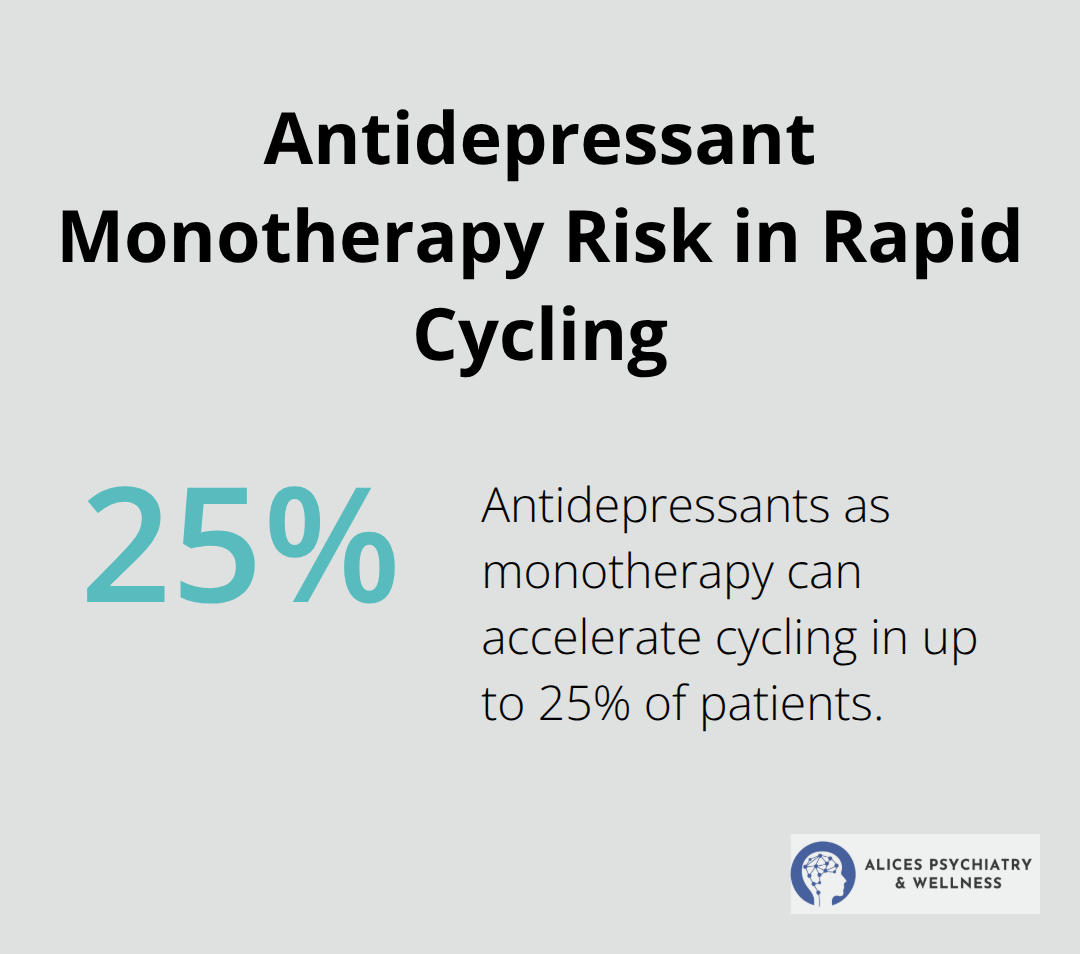
Second-generation antipsychotics including quetiapine, aripiprazole, and olanzapine provide rapid stabilization during acute episodes, with quetiapine showing particular strength in treating depressive phases of rapid cycling. The key lies in avoiding traditional antidepressants as monotherapy, since research demonstrates they can accelerate cycling in up to 25% of patients.
Pharmacogenetic testing is marketed to people with a wide range of psychiatric and related disorders, including depression, bipolar disorder, and anxiety disorders, reducing the typical 6-8 week trial-and-error period to find optimal treatment. This genetic testing reveals how your CYP450 enzymes process specific mood stabilizers (allowing for precise dosing from the start rather than guessing).
Therapy Approaches for Rapid Mood Changes
Cognitive behavioral therapy specifically adapted for bipolar disorder focuses on recognizing early warning signs and developing immediate coping strategies for mood shifts. Dialectical behavior therapy teaches distress tolerance skills that prove invaluable when rapid cycling creates emotional chaos within hours or days. Family-focused therapy significantly improves treatment outcomes, with studies showing 40% better medication adherence when family members understand rapid cycling patterns and can provide appropriate support during episodes.
Advanced Testing for Better Results
Pharmacogenetic testing has revolutionized treatment selection for rapid cycling bipolar disorder by analyzing how your genetic makeup affects medication response. This testing examines specific gene variants (particularly CYP2D6, CYP2C19, and CYP3A4) that control how your liver processes psychiatric medications. Results guide clinicians to select medications your body will metabolize effectively while avoiding those that might cause side effects or prove ineffective.
These comprehensive treatment approaches create the foundation for stability, but daily management strategies and lifestyle modifications play an equally important role in maintaining long-term wellness. Setting effective treatment goals helps track progress and adjust strategies as needed.
How to Build Daily Stability
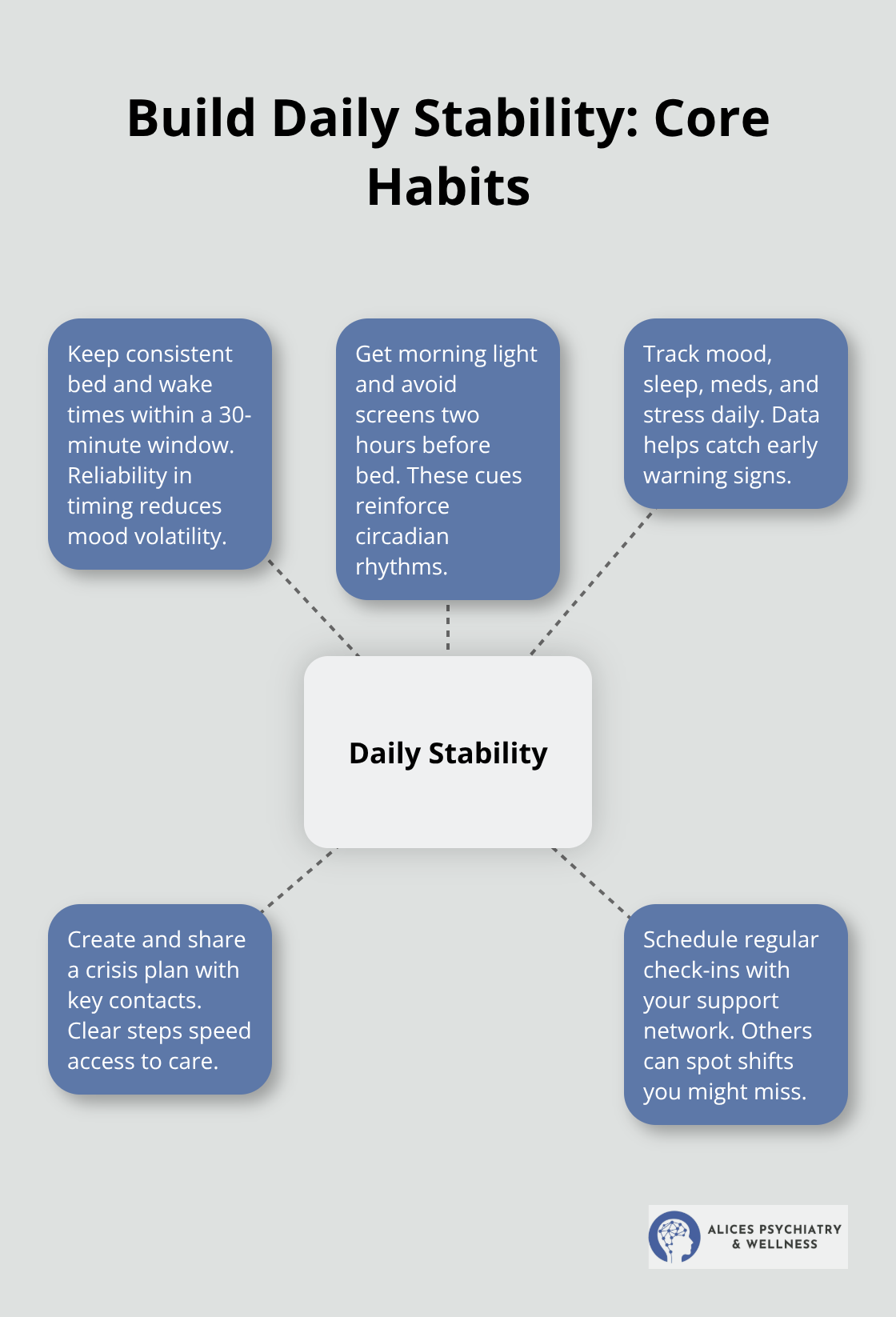
Sleep consistency becomes your most powerful tool against rapid cycling episodes. Research shows that identical bedtimes and wake times within 30 minutes daily help reduce mood episodes. Set your alarm for the same time every morning regardless of how you slept, and stick to this schedule even on weekends. Light exposure within the first hour of waking helps regulate circadian rhythms that directly influence mood stability, while you should avoid screens for 2 hours before bedtime to prevent blue light disruption that triggers manic episodes.
Monitor Your Sleep Quality
Track your sleep duration and quality with apps like Sleep Cycle or Fitbit. Try for 7-8 hours nightly since sleep deprivation accelerates rapid cycling patterns more than any other lifestyle factor. Document when you fall asleep, wake up naturally, and how rested you feel each morning. This data reveals patterns that connect poor sleep to mood episodes.
Track Your Patterns Before They Control You
Mood apps like Daylio or Mood Meter provide the data you need to identify your personal rapid cycling triggers and early warning signs. Record your mood three times daily with a 1-10 scale, noting sleep hours, medication timing, stress levels, and physical symptoms. Studies demonstrate that tracking daily mood patterns helps catch emerging episodes earlier than those who rely on memory alone.
Create Your Crisis Action Plan
Develop a crisis plan that includes specific contact numbers for your psychiatrist, trusted family members, and local emergency services. This plan should detail your personal warning signs, current medications, and preferred hospital if hospitalization becomes necessary. Share copies with three trusted people who can recognize when you need immediate help and advocate for your treatment preferences when rapid cycling episodes impair your judgment.
Build Your Support Network
Identify three to five people who understand your condition and can provide different types of support during episodes. One person might excel at practical help (rides to appointments, medication reminders), while another offers emotional support during depressive phases. Schedule regular check-ins with these supporters so they know your baseline mood and can spot changes early. Support groups in the Atlanta and Lilburn areas also connect you with others who understand rapid cycling challenges firsthand. Professional bipolar disorder treatment provides the foundation for building this stability through personalized care plans.
Final Thoughts
Bipolar depression rapid cycling demands a comprehensive approach that combines medical treatment, lifestyle modifications, and strong support systems. The most effective strategy involves collaboration with experienced mental health professionals who understand the complexities of rapid cycling patterns and can provide personalized treatment plans. Professional help becomes essential when you experience four or more mood episodes within a year, sudden sleep pattern changes, or dramatic energy fluctuations that interfere with daily life.
Crisis situations require immediate support to prevent episodes from escalating and protect your safety in the Lilburn and Atlanta areas. We at Alice’s Psychiatry and Wellness specialize in bipolar disorder treatment with advanced tools like pharmacogenetic testing to optimize medication selection from the start. Our personalized approach includes comprehensive psychiatric evaluations, medication management, and brief psychotherapy sessions tailored specifically for your unique needs.
Long-term stability comes from the combination of professional treatment with daily management strategies like consistent sleep schedules, mood tracking, and crisis plans (which provide structure during unpredictable episodes). Through telepsychiatry services, we provide consistent care with the same provider throughout your treatment journey. Alice’s Psychiatry and Wellness offers the expertise and compassionate support needed to help you regain control over rapid cycling episodes and build lasting mental wellness.


