
Anxiety and panic attacks can feel overwhelming, but you have more options than you might realize. At Alice’s Psychiatry and Wellness, we believe in exploring complementary approaches alongside professional care.
Essential oils have gained attention as a natural tool for managing anxiety symptoms. This guide walks you through the best essential oils for anxiety and panic attacks, how to use them safely, and when professional support becomes necessary.
How Essential Oils Work on Anxiety
The Direct Path from Scent to Your Brain
Essential oils influence anxiety through direct pathways to your brain’s emotional centers. When you inhale an essential oil, scent molecules travel from your nose to the olfactory bulb, which connects directly to your amygdala-the part of your brain that processes fear and anxiety. This connection happens faster than conscious thought, which explains why certain scents can shift your mood almost instantly. A 2023 network meta-analysis published in Frontiers in Public Health examined 44 randomized controlled trials involving 3,419 anxiety patients and found that essential oils significantly reduced state anxiety and trait anxiety compared to controls.
Measurable Changes in Your Nervous System
The research measured physical markers beyond mood. Systolic blood pressure dropped by 6.83 mmHg and heart rate decreased by 3.43 beats per minute in essential oil groups. These represent measurable shifts in your nervous system’s stress response. Bergamot oil stands out for speed; research shows it can reduce cortisol levels within minutes of inhalation. Lavender works through different mechanisms, with compounds like linalool and linalyl acetate calming your nervous system and normalizing heart rate and breathing patterns. The evidence suggests aromatherapy shifts your autonomic nervous system toward parasympathetic dominance, the calming branch that counteracts the fight-or-flight response driving panic and anxiety.
Which Oils Deliver the Strongest Results
Jasmine ranked highest for immediate anxiety relief in that meta-analysis, reducing state anxiety by 13.61 points, though it has limited randomized trial data. Bitter orange (Citrus aurantium) emerged as the most versatile option, consistently reducing both state and trait anxiety while lowering blood pressure and heart rate. Lemon oil appears particularly effective for persistent anxiety patterns, working through serotonin pathways in your brain. For panic attacks specifically, the research supports a 10 to 30 minute exposure window as optimal-shorter sessions than many people assume. Roman chamomile contains apigenin and bisabolol, compounds that may reduce panic frequency and intensity over time. Ylang-ylang lowers heart rate and blood pressure rapidly, making it useful for acute panic symptoms.
Understanding the Research Limitations
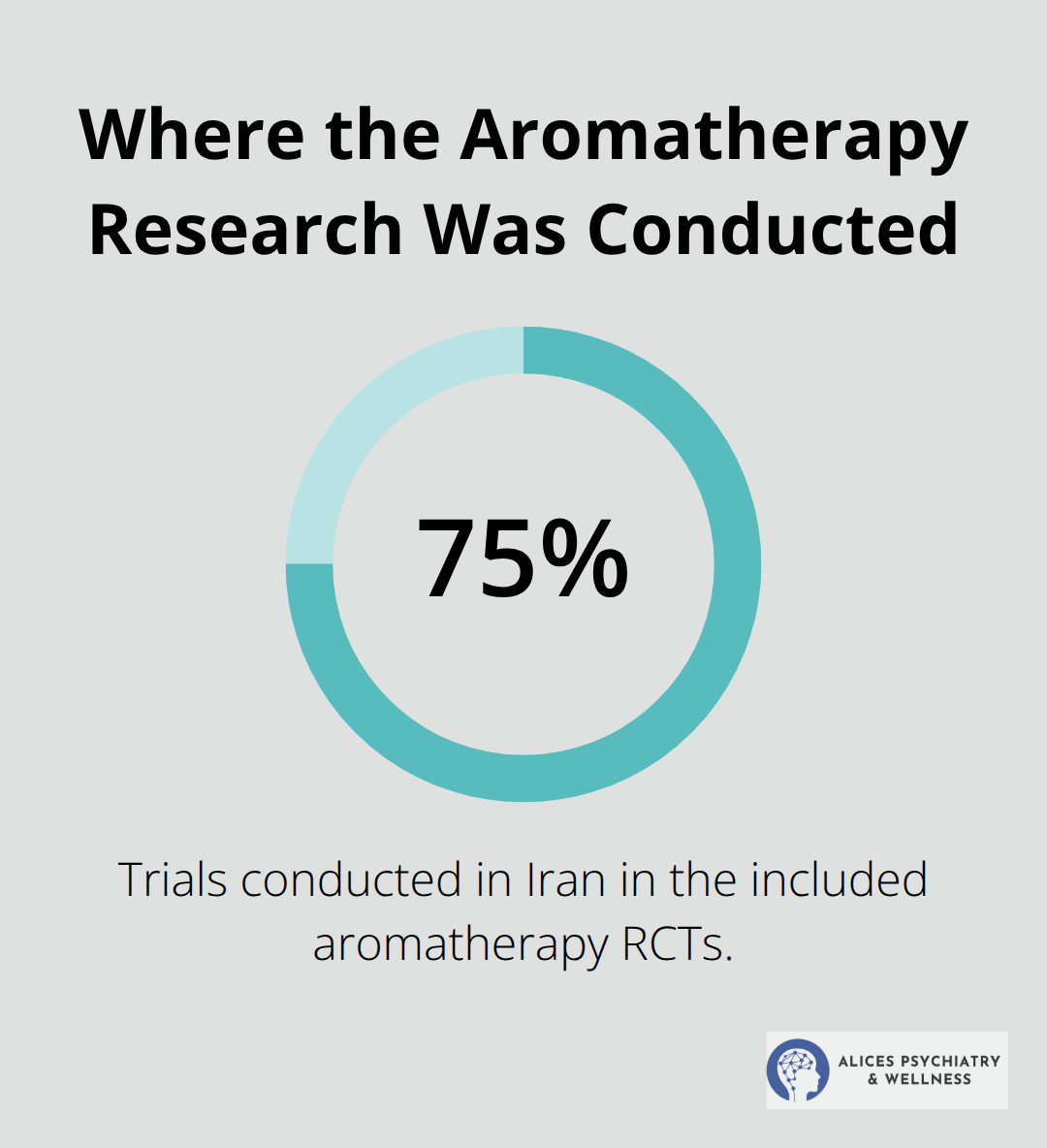
Most trials were conducted in Iran (roughly 75 percent), and many studies carried substantial bias risk, meaning the certainty of evidence varies considerably by oil and condition. Essential oils work best for situational anxiety and acute panic rather than chronic anxiety disorders, which typically require professional intervention. This distinction matters-knowing what aromatherapy can and cannot address helps you build a realistic treatment plan.
Understanding these boundaries sets the stage for exploring which specific oils match your symptoms and how to use them safely in your daily routine.
The Three Oils That Work Best for Anxiety
Lavender: Your Foundation for Calm
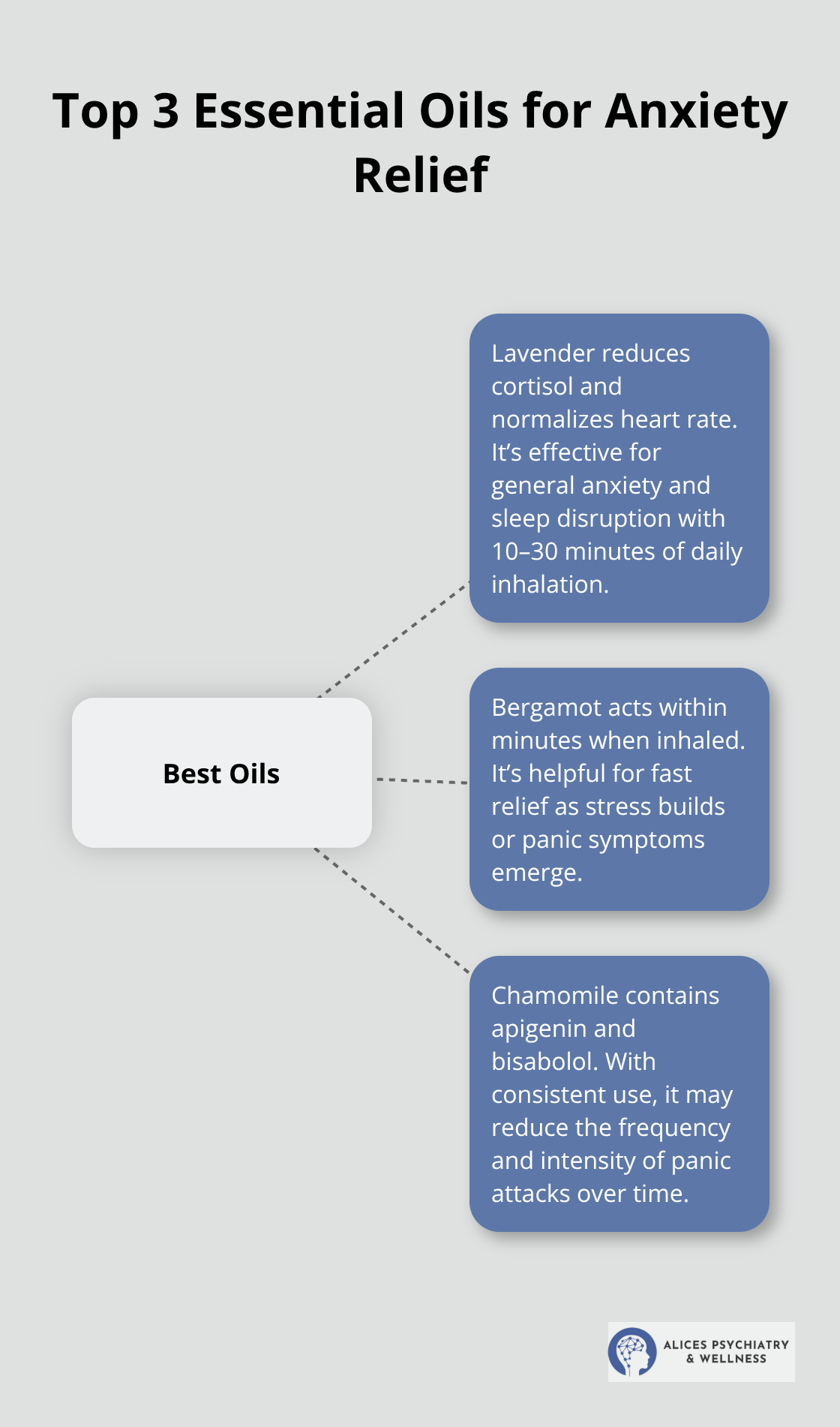
Lavender reduces cortisol and normalizes heart rate through compounds called linalool and linalyl acetate, making it effective for general anxiety and sleep disruption. The evidence shows it works best when you inhale it for 10 to 30 minutes daily, either through a diffuser or personal inhaler. This oil suits people who experience persistent low-level anxiety or those whose anxiety disrupts sleep patterns. Lavender’s broad evidence base supports its use across multiple anxiety contexts, from everyday stress to preoperative nervousness.
Bergamot: Fast Relief When Stress Builds
Bergamot can reduce stress and anxiety through inhalation, with research demonstrating measurable effects within minutes. This speed makes it particularly useful when you feel stress building during your workday or notice panic symptoms starting to emerge. The mood-lifting properties come from a compound called limonene, which influences brain regions tied to emotional regulation. If you need immediate relief rather than long-term anxiety management, bergamot delivers measurable results in a short timeframe.
Chamomile: Reducing Panic Frequency Over Time
Chamomile contains apigenin and bisabolol, compounds that bind to brain receptors to reduce anxiety and may lower the frequency and intensity of panic attacks over time with regular use. This oil works best as part of a consistent routine rather than for acute relief. In the 2023 meta-analysis of 3,419 anxiety patients, bitter orange (a citrus oil) ranked as the most consistent performer across both state and trait anxiety, but lavender and chamomile each showed reliable benefits in preoperative and procedural anxiety contexts where quick relief matters.
How to Use These Three Oils Effectively
You can diffuse them at home or in your office, apply them topically when diluted with a carrier oil like jojoba or almond oil, or inhale them directly from a tissue during moments of acute anxiety. A simple starting approach involves choosing one oil and using it consistently for one week to track how your anxiety responds before adding a second oil. Lavender pairs well with bergamot if you want both calming and mood-lifting effects, while chamomile works best alone for sleep support or combined with lavender for general anxiety management. The research indicates that exposure duration matters more than many people expect-10 to 30 minutes delivers stronger results than brief, sporadic use.
When Essential Oils Reach Their Limits
Essential oils provide measurable symptom relief, but they work best alongside other anxiety management strategies. If you find that oils help manage your symptoms but don’t fully address your anxiety, professional support through medication management or therapy can complement what aromatherapy provides. Understanding how to apply these oils safely and consistently sets the stage for exploring the practical delivery methods that fit your daily life and anxiety triggers.
How to Use Essential Oils for Anxiety Relief
Diffusing Oils at Home or Work
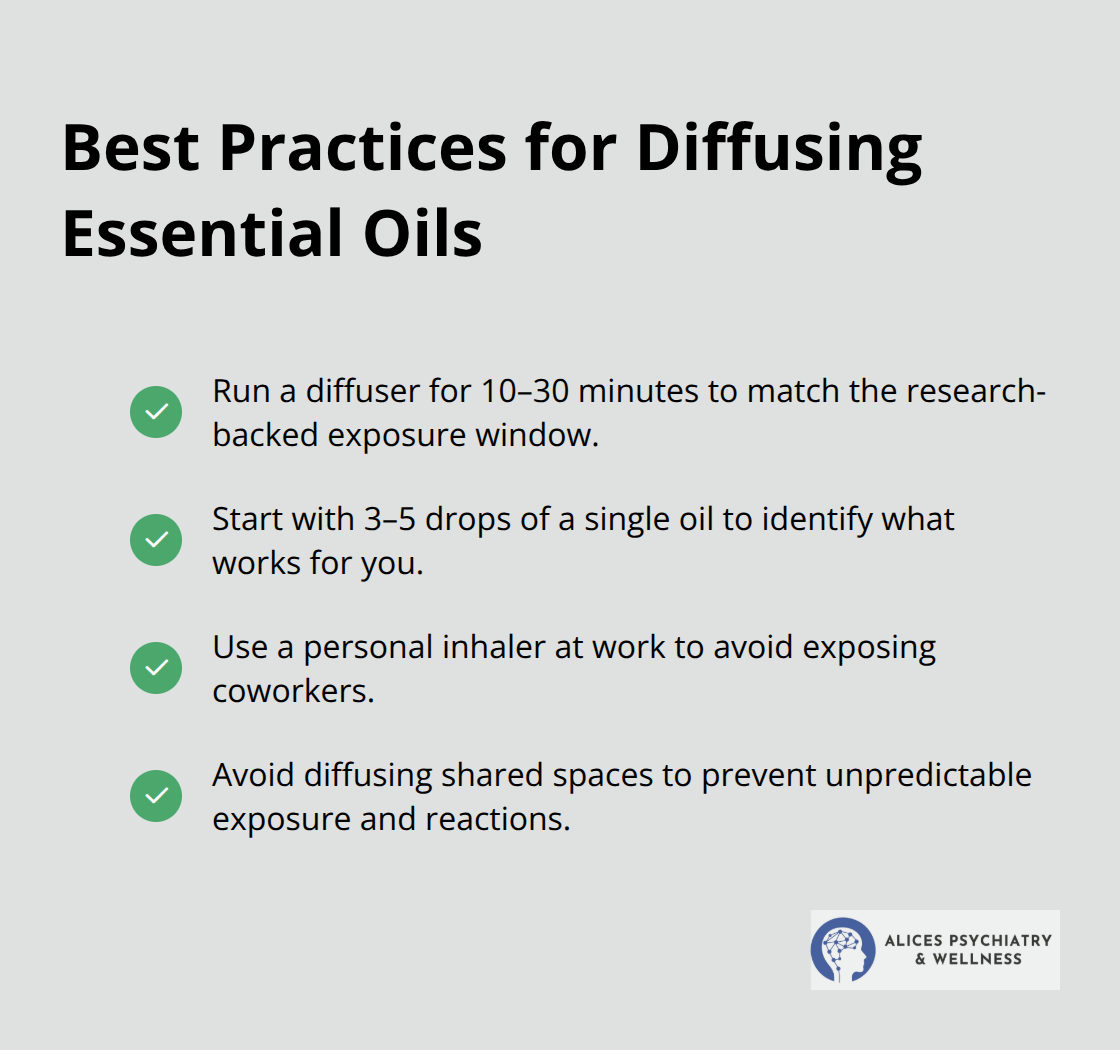
Diffusing essential oils at home or work creates consistent exposure without requiring you to reapply anything throughout the day. A standard ultrasonic diffuser running for 10 to 30 minutes delivers the optimal exposure window shown in the 2023 meta-analysis of 3,419 anxiety patients published in Frontiers in Public Health. Start with 3 to 5 drops of a single oil rather than blending multiple oils when you begin, since this approach lets you identify which specific oil reduces your anxiety most effectively. If you work in an office, a personal aromatherapy inhaler or aroma stick offers a discreet alternative that affects only you, avoiding exposure to coworkers who may have sensitivities or allergies. Diffusing shared spaces creates unpredictable exposure levels and potential adverse reactions in others, which we recommend against.
Topical Application Methods and Safety
For topical application, dilute essential oils with a carrier oil like jojoba or almond oil at a 2 to 3 percent concentration (12 to 18 drops of essential oil per 30 milliliters of carrier oil). Apply this diluted blend to your wrists, behind your ears, or your neck where pulse points increase absorption and scent intensity. Never apply undiluted essential oil directly to your skin, as this causes irritation and potential sensitization over time. If you develop a rash, hives, or itching after topical application, discontinue use immediately and consult a physician. People with atopic dermatitis or prior allergic reactions face higher risk of adverse skin responses, so patch testing on a small area 24 hours before full application makes sense for this group.
Inhalation for Immediate Relief
Inhalation for immediate relief works fastest when you need anxiety reduction within minutes rather than gradual symptom management. Place 2 to 3 drops of essential oil on a tissue and inhale deeply for 5 to 10 breaths, or use a personal inhaler that you carry for acute anxiety moments. This method delivers rapid effects because scent molecules reach your brain’s emotional centers almost immediately. Bergamot shows strong evidence as a therapeutic approach for alleviating anxiety through inhalation. Direct inhalation from the bottle itself concentrates the scent too intensely and can cause headaches or nasal irritation, so the tissue method provides better control.
Tracking Your Results Over Time
Consistency matters more than you might expect-using one oil daily for a full week before evaluating effectiveness gives you clearer data about whether that particular oil reduces your anxiety compared to sporadic use. Track your anxiety levels using a simple 1 to 10 scale before and after each session to identify patterns and recognize which delivery method and which oil combination work best for your specific triggers and daily routine. This data helps you understand whether aromatherapy alone addresses your symptoms or whether professional support through therapy or medication management becomes necessary alongside essential oils.
Final Thoughts on Essential Oils and Professional Care
Essential oils offer real, measurable relief for anxiety and panic attacks when you use them consistently. The research shows they reduce cortisol, lower heart rate, and calm your nervous system, but aromatherapy works best as part of a broader approach to mental health rather than as a standalone solution. You should consider professional support when anxiety interferes with your daily functioning, when panic attacks happen frequently without clear triggers, or when the best essential oils for anxiety and panic attacks alone fail to provide lasting relief.
Therapy and medication management address anxiety at deeper levels than aromatherapy can reach. A therapist helps you identify thought patterns and behaviors that fuel anxiety, while medication management targets the neurochemical imbalances driving your symptoms. These approaches work alongside essential oils, not against them, and many people find that combining professional treatment with consistent aromatherapy use produces better results than either approach alone.
We at Alice’s Psychiatry and Wellness understand that anxiety feels personal and overwhelming. Our team offers psychiatric evaluations, medication management, and brief psychotherapy tailored to your specific situation (including pharmacogenetic testing to guide medication choices based on how your genes affect your response to treatment). Whether you’re in Lilburn, GA, Atlanta, GA, or another state where we provide telepsychiatry services, professional support is accessible, and your first step involves scheduling a psychiatric evaluation to understand what drives your symptoms and which treatment options fit your life.


